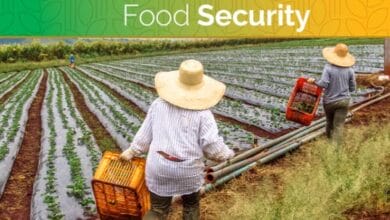
New Delhi: A growing number of young women are entering agriculture worldwide, signalling a shift in the traditionally male-dominated sector. Experts say this trend is driven by economic, social, and environmental factors that are reshaping rural livelihoods and food systems.
One major reason is the migration of men from rural areas to cities in search of better-paying jobs. As men leave farming communities, women—often daughters or wives—are stepping in to manage family farms and agricultural activities. This phenomenon, often described as the “feminisation of agriculture,” has significantly increased women’s participation in the sector. In India, women now make up over 42% of the agricultural workforce, and in many rural areas they form the majority of farm workers.
Young women are also increasingly attracted to agriculture because of new opportunities in agri-business, organic farming, and climate-smart agriculture. Research suggests women farmers are often more willing to adopt crop diversification, livestock management, and sustainable practices, which are becoming important in modern farming systems.
Education, training programs, and digital technology are further encouraging women to take up farming as a viable career. Initiatives promoting women’s farmer producer organisations (FPOs), value-added food processing, and access to markets have created entrepreneurial opportunities in rural areas.


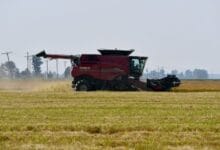
Also Read: How to Grow Nigella Seeds – Complete Cultivation Guide
At the same time, limited employment options for rural women also play a role. In many regions, agriculture remains one of the few accessible sources of income for women due to social norms, mobility restrictions, and lower access to non-farm jobs.
Globally, women already account for about 43% of the agricultural labour force, highlighting their critical role in food production and rural economies.
However, despite their growing presence, challenges remain. Women farmers often face barriers such as limited land ownership, unequal wages, and restricted access to credit and technology. Experts say addressing these issues is essential to fully unlock the potential of the new generation of women farmers.
Also Read: agriculture news